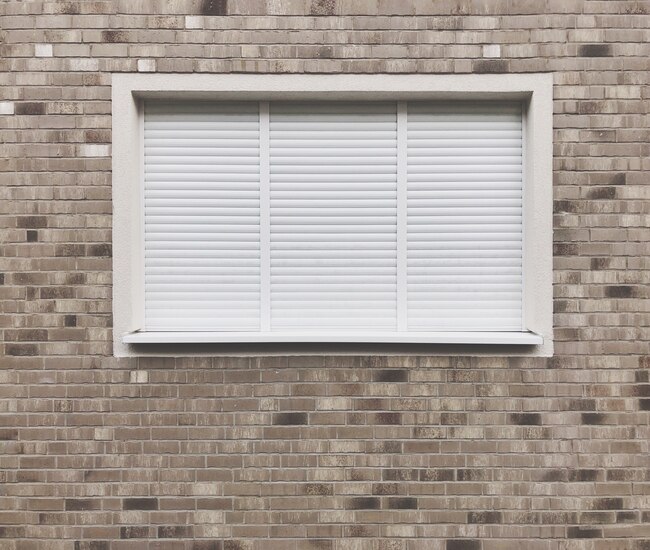
Looking for exterior heat blocking window shades and blinds to keep your home’s interior cooler, more comfortable, sunproof, and energy efficient? We’ve got you covered! This post explores 6 best window coverings to keep heat out and retain internal cool, reducing stress on your air conditioning systems and saving you $ on power bills!
The most effective Thermal Control Blinds include insulating cellular shades with bubble wrap, heat reflective window films, blackout roller blinds, and thermal Roman shades. weather stripping.
Did you know, according to the U.S. Department of Energy, about 30% of the home’s heating energy is lost through windows in heating seasons. In summers, about 76% of the sunlight that falls on the window panes enters rooms to become heat, significantly increasing cooling costs.
According to the U.S. Energy Information Administration, average residential electricity consumption for air conditioning was 1,032 kilowatt hours, costing $178 per household during the summer months (June to September) in 2025. Energy.gov claims tightly installed cellular shades can reduce unwanted solar heat gain through windows by up to 60%! In other words, heat blocking window shades can literally reduce cooling energy consumption by 60% on sunny days!
Scroll on to learn about 6 best window treatments to keep heat out with pros and cons, so you can make an informed decision when buying a new blind or shade for your home or other space.
Key Points in Brief
- Reflective window films, insulating cellular shades, and blackout roller shades offer an effective, affordable (a double-cell shade starting from just $52!) way to block heat from windows & reduce cooling costs.
- Generally, the initial investment ranges from $50 for high-quality films to $200+ for premium motorized shades, depending on material, size, and chosen Motorization Options.
- Heat blocking window treatments work by blocking hot air and providing an extra layer of insulation (the first layer being the window itself).
- There are a variety of heat blocking window blinds available, so it’s important to choose the ones that are best suited for your need to block out some or all heat.
- To maximize the effectiveness of Thermal Insulating Shades & blinds, they should be properly installed edge-to-edge.
6 Things That Make Window Coverings Best for Keeping Heat Out
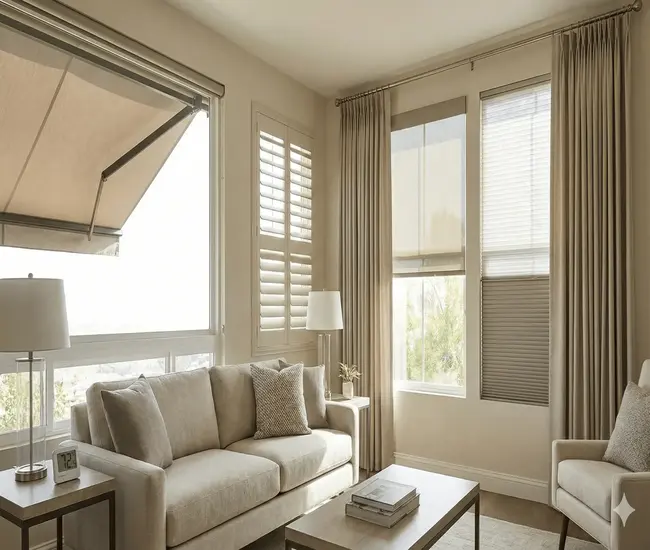
- Heat Reflective – through back most of the sunlight that falls on the windows before it gets converted into heat
- Two-way Insulating – can completely block the transfer of heat across the window opening
- Pocketed Air-trapping Design or Tighter Fabric Weave – A fabric with empty, air-trapping compartments offers much better insulation than flat, non-cellular material.
- Retaining Internal Cooling – will prevent conditioned air from escaping though the windows.
- Gapless, Edge-to-Edge Fit – cut to size by 1/8th of an inch for regular or odd-shaped windows.
- Reversed Functionality in Winter – Best window coverings for keeping heat out in summer will go exactly the opposite in winter, i.e., retain internal warmth from heating systems and repel external cold. They’ll year-round comfort!
Why Sun and Heat Blocking Window Shades?
The best heat blocking window coverings will not only reduce summer heat gain and cut down on your power bills, but also protect your room’s interior from fading. So, they are an ideal choice for residential and commercial buildings located in hot climate zones.
Heat reducing window treatments will also provide other functionalities, like UV protection, privacy, noise reduction, and blackout effect.
There are a variety of different types of heat blocking window blinds and shades available, so it’s important to choose the ones that are affordable and most effective at blocking out heat.
We really encourage you to request free samples of blinds that keep out heat and light (with free shipping!) to see how they look and work in your space? Or book a free consultation session with our experts.
Why Window Blinds, Shades, & Films are a Cheap Way to Block Heat from Window
Window blinds and shades play an important role in keeping your home cool during the hot months of the year. By blocking out direct sunlight, they help to reduce heat gain through windows. In addition, blinds and shades can act as an insulating layer, trapping heat in the room in winter and making it more comfortable.
During the winter months, window shades and window blinds can help to keep your home warm and save on heating energy bills. By selecting the right type of blinds for your needs, you can create a comfortable environment while also saving money.
How Window Treatments Work to Keep Heat Out
How window blinds and shades offer an economical way to keep heat out is a question that is often asked by those who are looking for ways to improve the energy efficiency of their homes. The answer lies in the material that the shades and blinds are made of and how they are installed.
Most heat blocking window blinds and shades are made of a thick, light-colored, reflective material that helps to reflect sunlight away from the window. This helps to keep the inside of the home cooler during the summer months.
6 Best Window Treatments to Block Sun and Heat
As the weather starts to heat up, it’s important to make sure your home is prepared to keep you cool all summer long. One of the best ways to do this is by installing heat blocking window blinds and shades. Window treatments will provide an extra layer of insulation to keep hot air & heat waves out.
1. Double Cellular Shades for 4-Tier Insulation Apparatus – Here is How
- 1st Tier – inner honeycomb layer
- 2nd Tier – outer honeycomb layer
- 3rd Tier – window panes (in closed position)
- 4th Tier – the insulating column of air trapped between the cellular fabric and the window panes
This 4-layered insulation system will create an extraordinary thermal barrier, blocking nearly 99% of heat transfer through the window opening.
Double Cellular Shades provide an estimated R-Value range of R-3.5 to R-4.5, making them one of the most effective Accordion Shades for temperature regulation. For perfect 100% insulation, you can add a thermal liner, preferably a bubble wrap.
Choose insulating double cellular shades to cover windows directly facing the sun.
They are available with both light filtering & room darkening features to make your home feel even more luxurious.
They’ll effectively protect your home from sunlight, heat, & UV rays while blocking out glare.
Honeycomb or cellular shades are a great choice for improving the energy efficiency of your home.
Pros
- Best cellular shades to keep heat out to cover windows that receive a lot of sun.
- In addition to blocking out light, they offer a degree of privacy & insulation.
- The honeycomb structure of these shades helps reduce energy costs & protects your furniture from UV damage.
- They can be motorized for luxurious operation motorization. Popular motorization options include Battery-powered systems for ease of installation, & some models support Smart Home Integration for automated seasonal optimization.
- Cellular shades come with easy-to-handle mounting hardware & they are easily available at online stores. Always utilize the correct Mounting Hardware Types to ensure the necessary Gapless, Edge-to-Edge Fit.
- Capable of partly reflecting and partly absorbing sound (if your window happens to face a noisy street!)
Cons
- The pocketed structure of cellular shades can collect dust and dirt, causing cleaning and maintenance difficulties. To address this, we recommend Specific Cleaning Methods, such as regular gentle vacuuming using a brush attachment, or scheduling professional ultrasonic cleaning for deep maintenance.
- The cellular fabric can stain over time.
Design Tip
Match and coordinate the color of the wall and the shade to create a cohesive look.
Personal Experience with Double Cell Shades
Here’s what Jason S. Montoya’s said after using double cell honeycomb blinds:
“Hi, I’m Jason runnign a departmental store in New York. In 2024, I had loose curtains haning on windows with flowery patterns for a pleasant aesthetic – they did the job! My summer electricity expenditure was $239 for June through September 2024, with air conditioners working in three rooms – one living room and two bedrooms. When I heard that the power bills were projected to go even higher in 2025, I was alarmed and started looking for ways to minimize cooling costs.
An article on New York Times, titled “How to Lower Your Summer Electric Bill” suggested “Close shades or blinds during the day”. But that wasn’t of much help the previous 2024 summer. I consulted my next-door neighbor Kristin, who recommended using double cellular shades. I acted upon her advice and the result was marvelous! My summer electricity bill was $160 (down from $239), saving me flat $79 a single cooling season and the comfort was in addition!”
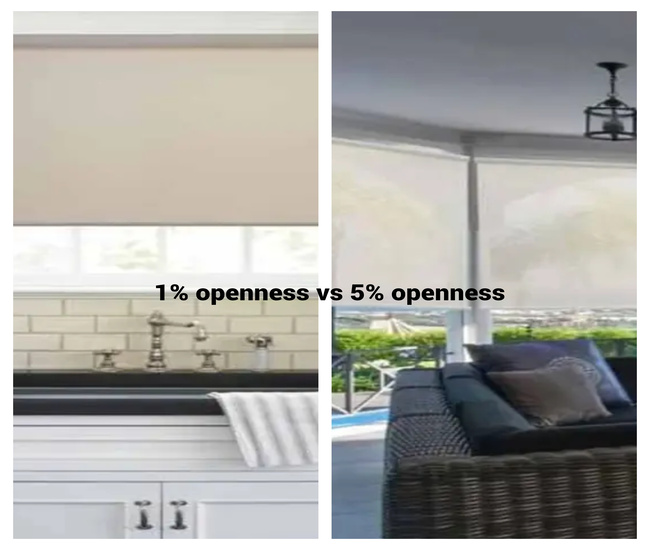
2. 1% Openness Solar Shades – Natural Light & Privacy While Reducing the Heat Gained
Pros
- 1% open are the best solar shades for blocking heat
- Block 99% of solar heat waves and UV rays that strike the window panes
- Protect your furniture from sun damage
- Can be used as outdoor heat blocking shades for decks, pergolas, and sunrooms
- Available with an opaque liner for total blackout effect in your bedroom
- Fabric weight (GSM or Denier) also plays a role in the shade’s durability and effectiveness.
Cons
- Partial nighttime privacy
- Less energy efficient compared to thick cellular shades
Pro Tip
If you are using solar shades as winter window coverings, you’ll most probably want them to let in most of the sun, only blocking out the UV-component. In that case, we recommend higher openness factors, such as 3%, 5%, or 7%.
But do not exceed 7%, as it will impact their capability to filter harsh light and provide daytime privacy. Solar shades are not typically made for nighttime privacy. To block views from the outside at night, you’ll always need a privacy or blackout liner.
3. Heat Reflective Window Films to Keep the Sun’s Harsh Rays at Bay
A high quality reflective window film can 100% block out the sun’s rays and help maintain the temperature, cutting down on your home’s cooling costs in summer.
There are two types of heat blocking reflective films: sputtered and hybrid. Sputtered reflective films provide clear views of the sky while hybrid reflective films block both UV and solar heat.
Whether installed inside or outside the window frame, reflective window films provide the best heat and UV prevention. However, the reflective effect is reversed during the night. It is a very affordable option.
Before buying the best reflective film for the windows, understand its properties. The SHC (Solar Heat Gain Coefficient), is an important measurement to consider. This measurement indicates how effective the film is at blocking UV and visible light. A higher Emissivity means more UV & visible light are rejected, while a lower SGC means less reradiated heat is allowed to enter the building. Infrared rejection is another important parameter to look for.
Look for films with low Visible Light Transmittance (VLT) if you desire maximum daylight reduction.
Pros
- Reflective window films will simultaneously provide sun protection, heat rejection, glare reduction, privacy, & security.
- By blocking out heat, they can help you save money on your cooling costs.
- With reflective film covering your home’s windows, you won’t get high electricity bills.
- They involve a relatively easy and inexpensive installation process.
Cons
- One downside of reflective window films is that they only give you privacy during the day.
- They’ll let in little sunlight in winter.
4. Blackout Roller Blinds for Total Light and Heat Control
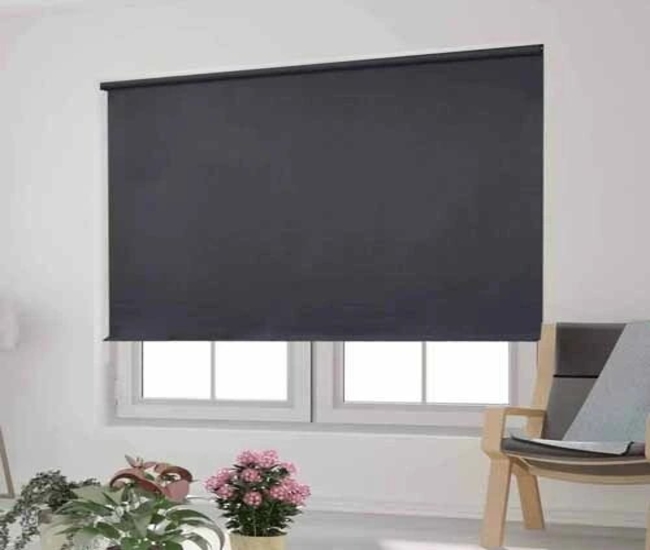
Blackout roller blinds are a popular choice for skylights, bedrooms & bathrooms because they can be easily operated with one hand and provide total heat control in addition to blocking out light completely.
Pros
- They do not let light through.
- Totally block out the sun and the heat.
- Tightly woven fabric acts as a sound-proofing barrier, keeping outside noise levels down.
- Smart and sleek design.
Cons
- They provide little flexibility in light control and cannot be adjusted to allow partial light.
- Blackout roller blinds can be a bit difficult to clean if they are installed on a tall window. Standard cleaning involves gentle dusting; however, for tall installations, use an extendable arm with a soft cloth for regular spot treatment protocols.
5. Venetian Blinds to Reduce Solar Heat
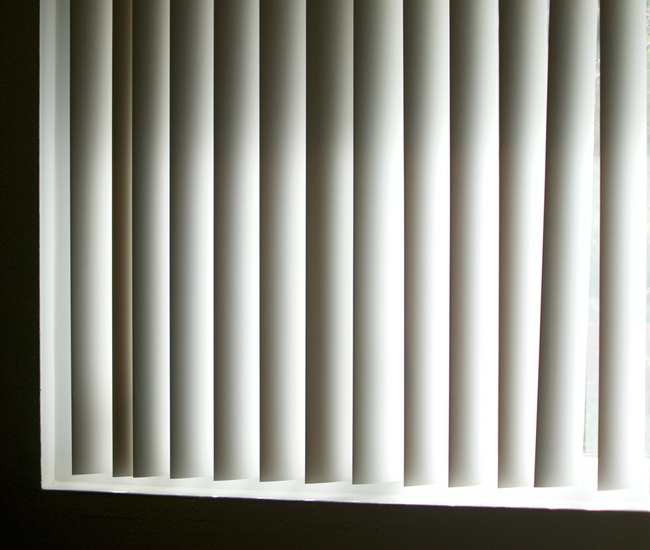
Venetian blinds are ideal for living rooms and kitchens, as they allow you to control the amount of light, heat and airflow in the room. Additionally, they come in a wide range of colors & materials to suit any interior décor style.
Pros
- Venetian blinds are an excellent choice for reducing solar heat, which is uncomfortable during the hot summer months.
- You can tilt the slats of Venetian blinds to let in some sunlight while blocking out the rest of it.
- The slatted design looks beautiful and is easy to clean.
Cons
- Slats of Venetian blinds are more prone to mechanical damage than fabric.
- They can make noise when a breeze is blowing through them.
6. Thermal Heat Blocking Roman Shades – Keep Hot Weather at Bay
Roman shades are a stylish option for any room in the house as they can be made from a variety of fabrics and offer heat blocking functionality. Whatever your needs, there is sure to be a type of Roman fabric shade that is perfect for you, such as soft fold, flat fold, European relaxed fold, etc.
Pros
- Minimize heat gain in summer
- Soft fold Roman shades have a cascading design that can block out more heat.
- Improve the energy efficiency of your home.
- A beautiful window treatment option.
Cons
- More expensive than roller shades due to their intricate construction.
- Unlike cellular shades, Roman shades do not provide complete insulation. However, with a high-quality liner, they can achieve an R-Value of R-2.5 to R-3.0, positioning them as effective Thermal Insulating Shades.
7 Factors to Consider When Choosing the Right Heat Blocking Window Treatments
When it comes to choosing window treatments that block heat from windows, there are a lot of options to choose from. But if you’re looking for a classic look that can be customized to fit your own personal style, traditional fabric blinds are a great option.
Here are a few tips to help you choose the right window blinds and shades that block heat from windows.
1. Heat Blocking Capability
First, consider the heat blocking potential of the blinds and shades. Do you want to partially or completely block out heat? Go with spectrally selective window film. It’s important to consider how much heat you want to block before making a purchase.
2. Location & Direction of Windows
The first thing to think about is the location and direction of the heat blocking windows. Are you windows south-facing? Are they on the wall or the roof? For windows more exposed to the sun, choose heat-resistant material.
3. Size
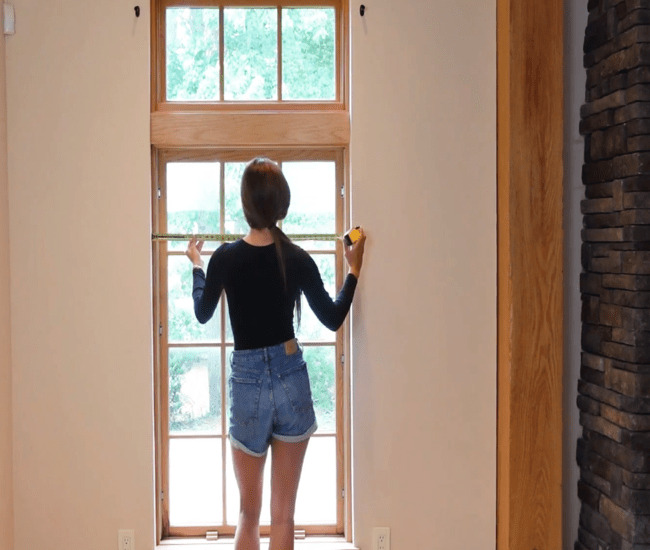
Another important factor is the size of the blinds or shades to block heat from windows. Make sure that they are wide enough to cover the entire window, but not so wide that they block out too much light. For this, you’ll need to take accurate measurements.
4. Material
Finally, pay attention to the material of the energy efficient window treatments. Light-colored fabrics will reflect more heat and prevent it from coming into your room, while dark-colored fabrics will absorb more heat.
5. Style
Next, consider the style of your home. Are your windows large or small? Are they traditional or modern? There are blinds available in a variety of styles to match any aesthetic.
6. Child Safety and Legal Compliance
Whether it is indoor or outdoor space, when 8 year old or younger children are around, their safety must be your top priority. So, always choose a pet- and child-safe, CPSC-approved option that 100% conform with the New US Federal regulations. New child safety regulations prohibit the sale or use of the most corded custom window coverings due to unreasonable strangulation risks to the children.
7. Budget
Finally, think about your budget. Heat blocking blinds and shades can range in price from as low as $18 to as high as $1000+ depending on the material, style, size, and lift option, so it’s important to set a budget before beginning your research. With these factors in mind, you’ll be sure to find the perfect set of window blinds or other window coverings, like shades, curtains, and draperies for your home.
How to Install Heat Blocking Window Treatments for Maximum Effectiveness
For an inch-by-inch, edge-to-edge fit, follow DIY step-by-step guide on how to install heat blocking window treatments.
- Step 1: Drill holes (using a ⅜-inch drill bit) in the window frame.
- Step 2: Set up and secure the brackets with screws and a screwdriver.
- Step 3: Hang your window covers and test operation.
Expert Installation Advice
When installing blackout roller shades to insulate windows in summer, use weather stripping to seal gaps along the edges of the blinds and window frame for maximum insulating effect.
Bottom Line
Heat reflective, blackout, & insulating window shades and blinds are a great way to control the amount of external heat in your home. They come in a variety of styles and can be customized to fit your own personal needs. When installing heat blocking blinds and shades, be sure to take into consideration the size, location of the window, and material and color (light/heat reflective) of the blinds in order to maximize their effectiveness in heat control.
Most Frequent Questions
What is the best heat protection for windows?
The best heat protection options for windows include blackout blinds, reflective window films, weatherstripping, & insulating windows with bubble wrap. Each of these options puts up a powerful defense against the sun.
What is the best way to block heat from windows?
Five best ways to block are:
- Blackout roller blinds to block out both light and heat
- Heat reflective window blinds
- Heat reducing window films
- Bubble wrap insulation
- External, heat-resistant window blinds
What is the cheapest way to block sun from windows?
The cheapest yet very effective, quick, and budget-friendly way to block sun from the windows is by covering your windows with aluminum foil. The reflective surface of aluminum foil will effectively block out light, heat, and UV rays. It’s easy to apply on the window, saving you a significant amount in terms of installation charges.
Need more help?
We are ready to assist with choosing the best type of blinds to keep heat out. We invite you to our 24/7 live chat. Or contact us at (800) 863-6109, or customerservice@affordableblinds.com. Explore the ‘About Us’ section to learn about our expertise.