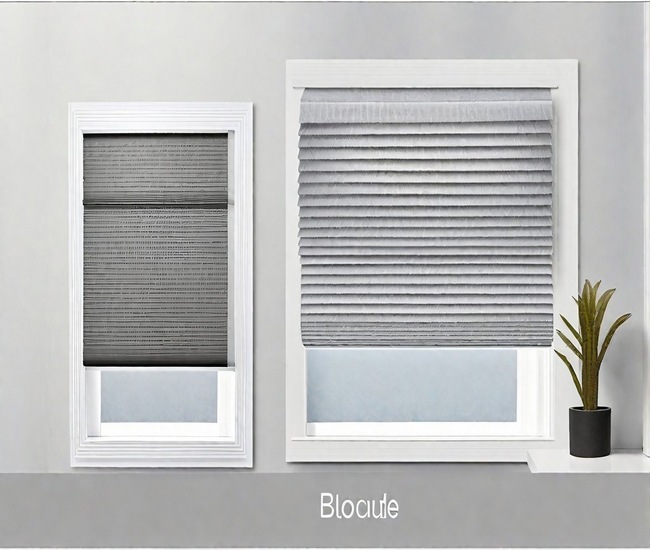
Unsure how to cover skylight from inside or outside to control direct sun, reduce heat and glare, improve energy efficiency, enhance comfort, and protect your interiors from UV damage?
Skylight blinds, shades, curtains, reflective films, and motorization options are the best ways to block out up to 90% of light, heat, cold & glare entering your room through the skylight. This post explores the pros and cons of each option, so you can make an informed decision.
You can install them inside or outside the skylight frame using brackets or suction cups. Or motorize your skylight covers & operate them using a wireless remote.
The preferred installation option – inside mount or outside mount – will depend on your needs, style of your room, and functional requirements. Here is a comprehensive guide about how to cover skylight from outside or inside for the desired function and look.
There will be different measurement procedures for inside and outside mount window treatments for skylights. For example, you need to consider the depth of your skylight’s window frame for inside installation.
According to the US Department of Energy, when installed with a tight fit, insulated honeycomb blinds can decrease heat loss through skylight windows by 40% or more, which equals about 10% heating cost savings in heating seasons. In summer, they can reduce solar heat gain by up to 65% on south-facing skylights.
Scroll on to learn how to block sun heat from skylight using Venetian blinds, pleated shades, reflective films, cellular blinds, & solar powered skylight blinds.
What Are Skylights?
A skylight is typically a small window in a roof or ceiling, which is used to let in natural light, provide ventilation, and offer a clear view of the sky. Natural light coming in through the roof window (skylight) will lower your dependence on artificial lighting during the day, increasing your home’s energy efficiency.
Skylight can be covered with light filter blinds to reduce glare in summer. In winter, you can cover it with insulating blinds (honeycomb shades) in winter to block external cold and retain internal warmth fr0m the heating systems.
According to Energy.gov, an operable skylight can help release the hot air that naturally accumulates near the ceiling.
Inside Mount vs Outside Mount Skylight Covers – 8 Key Differences

| Sr# | Inside Mount Skylight Covers | Outside Mount Skylight Covers |
| 1 | Installed internally in the ceiling | Installed externally on the roof top |
| 2 | Less fabric needed – will be installed inside the recess of the skylight window frame | More fabric needed – 3-4” will be added to each side for extra coverage |
| 3 | Operation – can be relatively easy, using a wand, a hanging beaded chain, or a removable rod | Difficult operation – skylight cover is installed exterior to the hole in the roof top |
| 4 | Require expensive professional installation – need to be properly secured into the ceiling | Inexpensive installing – can even be DIY mount |
| 5 | Blinds fabric safe from storm and the elements | Exposed to storm, rains, snow, fog, dust, and other elements |
| 6 | Low maintenance expenses | Will require more frequent cleaning, washing, and replacements |
| 7 | Skylight window pane will act as a shield against fading | Installed external to the skylight window pane – no shielding effect |
| 8 | Light may seep in through holes along the edges | Better sun protection |
| 9 | Risky – can fall down if screws get loosened | Nonrisky – will only slip aside on the roof if screws get loosened |
7 Practical Options to Cover Skylights from the Inside or Outside
Skylights are often the focal point and functional element of a room, so you need to choose skylight window treatments that match the design of the room and complement its functionality.
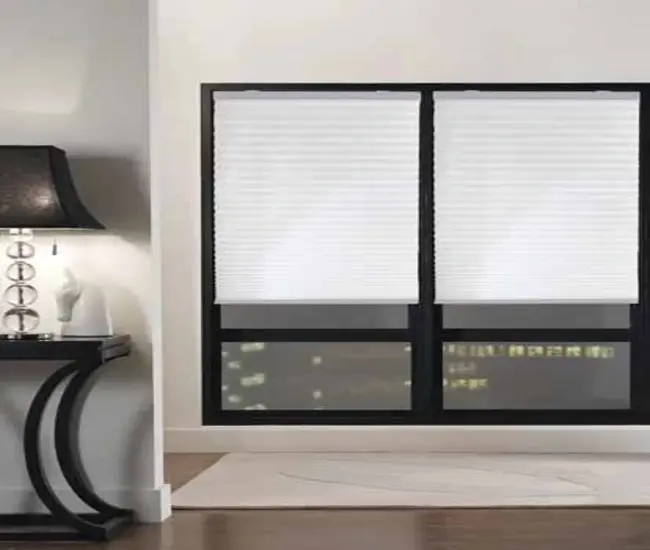
1. Pleated Shades – A Durable & Affordable Choice to Cover Skylights
Pros
- Pleated shades are a single piece of narrow folded fabric, which makes them perfect for blocking out sunlight coming in from the skylight.
- They can easily fold up when you need to let in external light.
- Adaptable for inside or outside mounting positions.
- They are designed to be durable, so they’ll last longer on your skylights.
- Available in a variety of sizes, styles, colors, & fabrics.
- Tend to be less expensive than Roman shades and motorized blinds.
Cons
- Pleated shades are not as energy efficient as honeycomb blinds.
- They have holes where the lift cords run through.
Typical Price Range
The average price of a premium Essential Cordless Pleated Shades ranges from $55.97 to $166.97, for 18×24” to 72×84” skylight openings.
2. Cellular Skylight Shades for Best Insulation & Energy Efficiency
They are available with both light filtering (for living room and kitchen skylights) & room darkening (for bedroom skylights). For media rooms, a total blackout fabric will help reduce glare.
They’ll protect your home from sunlight, heat, and UV rays while blocking out glare. A great way to control glare from the skylight is to use ceiling mounted skylight shades.
No matter what style you choose, your new skylight shades will look great from inside & outside.
Because they trap heat and cool the air, honeycomb or cellular shades are a great choice for covering skylights.
Pros
- Cellular shades operate on a durable track for stabilized operation.
- In addition to blocking out light, they offer a high degree of privacy & insulation.
- The honeycomb structure of these skylight shades helps reduce energy costs and protects you from glare.
- The honeycomb fabrics are made from high-quality polyester and are very energy-efficient.
- Can be operated manually with an extension pole or automatically with motorization.
- They can be removed and replaced as needed once they are installed.
- These skylight shades come with easy-to-handle mounting hardware and they are easily available at online stores.
- Skylight shades made from beautiful fabrics will blend in with the surroundings without distracting the eyes.
Cons
- The honeycomb compartments in cellular shades can collect dust and dirt, causing cleaning difficulties.
- The cellular fabric can stain over time.
Pro Tip
Match and coordinate the color of the room and the skylight shade that you choose.
Typical Price Range
The average price of a premium Double Cellular Light Filtering Shades Elite ranges from $51.97 to $202.97, for 18×24” to 72×84” skylight openings.
Testimonial
Here’s what Barbara S. Hernandez (from Terre Haute, IN) has to say about her experience with cellular skylight covers:
“Light filtering cellular shades are an all-weather option for skylight coverings. Soft light in summer and year-round energy efficiency. The worst problem with them is dust collection, warranting frequent cleaning, which I cannot afford, to be fair! AffordableBlinds.com suggested that I hang them interior to the skylight window pane – best! However, I had to order additional hardware, i.e., side tracks, to keep them sticking to the ceiling along the entire length.”
3. Venetian Blinds – Versatile Option to Control Brightness & Glare
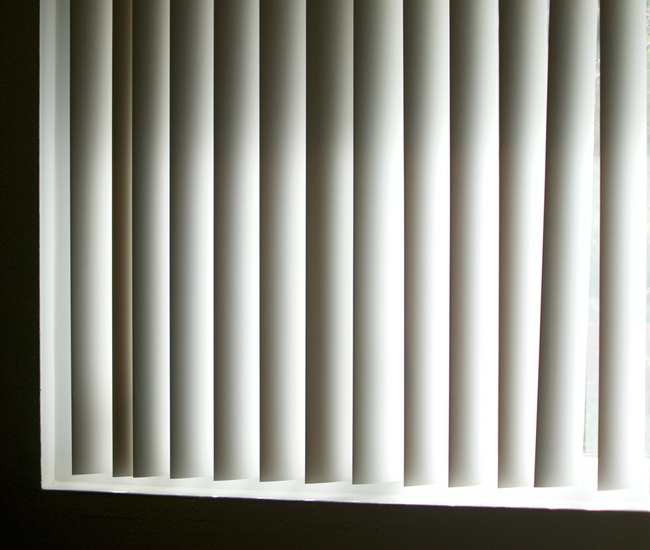
A bare skylight window can ruin a room that has been decorated in neutral tones. Adding Venetian blinds can complement your decor & help complete the look. Make sure you choose a material that matches your decor when choosing blinds for skylights.
Natural light can brighten dark rooms, but you don’t need it all day. If you prefer to keep the room darkened, open the blinds during daylight and turn the lights off at night.
They help to control light & thus, make the interiors more comfortable in the summer.
Pros
- These blinds are an excellent choice for controlling the amount of natural light that enters a room through the skylight.
- They also help to reduce solar heat, which is uncomfortable during the hot summer months.
- You can tilt the slats of skylight to let in some sunlight while blocking out the rest of it.
- Venetian blinds can be used to cover skylights from inside and outside for several benefits.
Cons
- Slats of Venetian blinds are more prone to mechanical damage.
- Venetian blinds can make noise when breeze is blowing through them or when you adjust the skylight for the required amount of natural light.
- Need extra hardware – side tracks – for stability on sloped roofs.
- Not a suitable option for flat, horizontally oriented skylights.
Typical Price Range
The average price of a premium Venetian cordless 2” faux wood blinds ranges from $45.41 to $193.26, for 20×24” to 72×74” skylight openings.
4. Solar Powered Skylight Blinds – A Free, Automatic Skylight Covering Running on Green Energy

Solar powered skylight blinds come with inside and outside mount options for skylights and offer complete functionality, allowing you to control how much light and heat is let into your home.
Solar powered light filtering blinds are compatible with most types of stock-sized skylights in your home. These inside and outside mount skylight blinds can be factory-installed, so you don’t have to worry about running wiring through your home. This option also saves you the trouble of installing a wiring system, as the blinds simply snap into place from inside or outside.
Skylight blinds can be installed to cover skylights in your attic and vaulted ceilings if you have a solar powered roof light. These window treatments are available in over 100 colors, allowing you to choose the perfect blinds to match your room’s personality.
These window treatments can make any room look extraordinary and are great for your home. These window treatments are affordable and add style to any room.
Pros
- Solar powered skylight blinds are a great way to cover skylights and filter light.
- These skylight coverings are powered by solar energy and are operated with a remote control.
- They do not require any wiring or electricity, and are therefore more environmentally friendly than electric skylights. They are also completely solar-powered, so they don’t require any other power input.
- Solar powered skylight coverings can cut down on your energy bills.
- They are ideal for skylights of bathrooms, kitchens, & living rooms.
- They come with rechargeable batteries, which can last anywhere from six to twelve months.
- These shades can be operated manually. However, most solar powered skylight blinds are motorized so you can control them with a wireless remote.
Cons
- They take 4 to 5 inches of your skylight opening.
- Solar powered skylight shades may involve a hefty first-time investment.
Typical Price Range
The average price of a premium glass sticker per skylight treatment ranges from $4.99 to $39.99, based on size, quality and design. Decorative skylight window clings with large commercial graphics may cost 100’s of dollars.
5. Heat & Light Reflective Films to Divert the Sun’s Harsh Rays
There are plenty of reasons to install reflective films to cover your skylight. The film covering the skylight from inside or outside blocks the sun’s rays & helps maintain the temperature, cutting down on your home’s cooling costs in summer.
There are two types of skylight reflective films:
- Sputtered sun reflective films partially reflect sunrays, while providing a clear view of the sky.
- Hybrid sun reflective films block most UV and solar heat, with blurred see-through effect.
These skylight films are not as effective as aluminum skylight covers but they are still an option for those who want their skylights to remain clear.
Whether installed inside or outside the skylight window frame, reflective window films provide functionality and decorative appeal. The reflective effect is reversed during the night. While this type of film isn’t designed to keep out unwanted views during the night, it does the job well and is very affordable.
A single-way film is ideal for home offices and entertainment rooms, while the other allows natural light to come in. Multi-directional reflective films are best if you want privacy and light reduction.
Pros
- Reflective films will provide sun protection, privacy, and security.
- Roof-mounted reflective films for skylights will block out most heat and glare.
- They can also block cold from entering your home in winter, which can help you save money on your heating costs.
- With reflective film covering the skylight, you won’t get high electricity bills.
- They involve a relatively easy and inexpensive installation process.
Cons
- Window film to cover the skylight from inside or outside can be expensive.
- One-way films won’t work at night because they will flip the other way when it gets dark outside.
Understanding SHC Coefficient of Reflective Films
Before buying the best reflective film, you should understand its properties. The SHC (Solar Heat Gain Coefficient), is an important measurement to consider. This measurement indicates how effective the film is at blocking UV and visible light.
A higher U-value means that more UV and visible light are rejected, while a lower SGC means less reradiated heat is allowed to enter the building. Infrared rejection is another important parameter to look for.
Typical Price Range
The average price of a solar heat control film per skylight treatment ranges from $8 to $60, based on size and quality of construction (heat reflective power).
6. Patterned Glass Sticker – Create a Perfect 3D Rainbow Effect

Pros
- Make skylight covers the focal point of your interior decor
- Create a soft glow of multi-colored light in the interior
- A patterned glass sticker is a better option than an ordinary frosted glass sticker
Cons
- Brittle – glass sticker may break due to the force of storms
- Rapid temperature changes can cause thermal stress in colored glass, leading to its deformity or breakage
- Potential injuries – if glass breaks, pieces will fall on people sitting, standing, or sleeping in the room. When selecting films or stickers for overhead use, always verify the product’s fire safety rating (e.g., Class A/B) & confirm it possesses shatter mitigation properties.
Typical Price Range
The average price of a premium glass sticker per skylight treatment ranges from $4.99 to $39.99, based on size, quality and design. Decorative skylight window clings with large commercial graphics may cost 100’s of dollars.
7. Motorized Skylight Covers – Luxury, Safety, Scheduled Opening/Closing
Pros
- Motorized blinds & shades are the best option for hard-to-reach windows like skylights
- Open, close position the blinds at the luxury of your couch, daybed, etc. using a wireless remote control
- Can also be operated using voice commands or a smartphone app (if integrated to your smart home automation system, such as Google Home, Amazon Alexa, or Apple Homekit). Note that connecting to these smart home systems typically requires a manufacturer-specific bridge or smart hub accessory to translate signals.
- Come with built-in batteries for operation during the hours of power cuts
Cons
- The most expensive option for skylight coverings
- Involves issues of battery replacements, motor jamming, etc.
Typical Price Range
A basic model “Motorized Light Filtering Essential Roller Shades” will cost at least $186.39 for a small 24×24” window opening. If you are looking for an Elite Plus model of “Motorized Plain Classic Pleated Roman Shade” for a square 36×36” skylight window, get ready to pay $342.72. Prices are subject to change with size, quality, and time.
7 Factors to Consider When Buying New Skylight Covers
- Mount location – Blinds and shades are the best options to cover skylights (roof windows) from the inside. For outside mount, choose heat reflective films (lighter option) or wood shutters (heavier, more durable option). For maximum exterior resilience, ensure the material is UV-stabilized vinyl or weather-rated acrylic fabric.
- The direction they’ll face – east, west, north, south
- Their style – fixed, tubular, or ventilating. Note: Tubular skylights generally only accommodate specialized reflective films or dome inserts, and any cover chosen for ventilating (operable) skylights must explicitly be designed not to interfere with the window’s opening mechanism.
- Color – we recommend a lighter, neutral color to better resist fading
- Size – cut to the fraction (1/8th) of an inch or centimeter to eliminates gaps
- Desired function – light filtering, blackout, insulating, noise cancellation
- Child Safety – Make sure your new skylight blinds come with a child-safe cordless option. New US Federal regulations prohibit the sale or use of the most corded custom window coverings due to severe strangulation risks to the children.
DIY Tip
The easiest way to block light from skylights is to paint them from the inside or outside.
How to Measure for Skylight Covers for Inside and Outside Mount

- Measure Width: Measure the width of the skylight opening at top, middle, and bottom. Record the narrowest value.
- Measure Length: Measure the length of the skylight in the left, middle, and right. Record the shortest measurement. For example, if the measurements are 36”, 36 ¾”, and 36 ¾”, order skylight blinds or shades measuring 32 inches (3 ft) in length.
- Measure Depth (only for Inside Recess Mount): Accurately measure the depth of your skylight’s frame if you want to go with an inside mount.
For detailed information, read our step-by-step DIY guide on how to measure skylights for skylight blinds, shades, or curtains.
Installation Instructions for Perfect Fit of Skylight Covers
- Step 1: Measure skylight opening and record values, ensuring accuracy of ⅛th of an inch.
- Step 2: Drill holes (using a ⅜-inch drill bit) in the window frame (inside mount) or ceiling (interior mount), or roof (exterior mount)
- Step 3: Set up and secure the brackets with screws and a screwdriver.
- Step 4: Mount headrail, hang the skylight covers and test operation. (Make readjustments, if needed.)
For a gapless, edge-to-edge fit, read our detailed step-by-step DIY guide on how to cover high, hard to reach windows.
Expert Installation Advice
When installing skylight covers for insulation, use weather stripping to seal gaps along the edges of the fabric and window frame for maximum insulating effect and a built-in look.
We recommend a high-density foam or rubber bulb seal weather stripping for securing the edges & maximizing the thermal barrier.
Skylight Buyers Also Ask
Can you put curtains on a skylight?
Absolutely! DIY curtains held by suction cups on the skylight frame won’t drop down, making them a perfect (and the most affordable!) option to control light and block out heat coming in from the skylight.
How do you cover a skylight in the summer?
Covering your skylight with a cellular blind in summer is the best thing you can do for filtered UV light, insulation, increased comfort, lowered energy costs, and some view of the mother nature. An easier and more permanent solution is to install UV reflective window films from the inside or outside the skylight.
How do you block the heat from a skylight?
Putting up skylight shades and covers is the best way to block the heat from a skylight, keep your home cool and energy efficient in summer. With skylight covers, you can block the solar heat and keep the inside of your room from becoming too hot during the summer. For better heat insulation, fold the fabric 3” to 5” on each side.
How to cover a skylight from inside without blinds?
If you have a big skylight set flat or at a gentle slope of the roof, inside mounted curtains using tension rods will work well. Slip a curtain panel on the rod and slide it back and forth like drapes across the skylight window opening. For small horizontal skylights, choose horizontal zebra (light filtering + blackout) blinds – a wonderfully aesthetic and functional option.
How to block a skylight from the inside?
- DIY Option 1: Nail opaque furring strips or flat fabric panels on the inside of the skylight.
- DIY Option 2: Cut plywood or drywall (plasterwood) exactly to fit the opening and then nail it to the ceiling, about 1” from the margin.
Design Tip
Trim the edges where the panels meet the inside wall of the skylight & paint them the same color as the ceiling.
What is the cheapest way to cover a skylight?
- Applying tarp to the exterior is by far the cheapest and easiest-fix, no-install option to cover a skylight.
- Simply buy a dark-colored (blue, black) tarp cut 1.5 feet extra on all 4 sides of the skylight.
- Lay it over top of the skylight, making sure there are no wrinkles in the fabric.
- Pin down the excess fabric using bracks or tiles.
How to seal a skylight from inside?
High-quality, exterior-grade silicone sealant is typically considered the best sealant for skylights due to its adhesive power, durability, and high weather resistance. It can be used for both inside and outside mount fixed skylight covers.
Need More Help?
Still unsure how to cover a skylight window from inside and outside for better light control and insulation? Contact our professionals using 24/7 live chat or give us a ring at (800) 863-6109 for expert advice and a custom solution. Explore the ‘About Us’ section to learn about our expertise in the industry.