
Looking for no-sew cloth tape window coverings to fine tune your home’s decor and add an ultimate statement to it? This blog explores various unique, practical cloth tape ideas for window treatments, from cloth tape wood blinds to diy adding cloth tape to blinds and beyond.
You can add charm and personality to your otherwise completely boring faux wood blind or Roman shades by adding a fabulous fabric tape along the trims and horizontal bands. But it will add $30 to $50 dollars (except the labor cost) to your overall window treatment budget. However, if you are going to build new no-sew blinds using adhesive fabric tapes, it will give you huge double digit savings.
For instance, if a branded fabric curtain for a 33 x 47” window costs $350, you can create a similar (but aesthetically better!) diy cloth tape window covering for as low as $100, saving you over $57%!
Materials & Tools You’ll Need
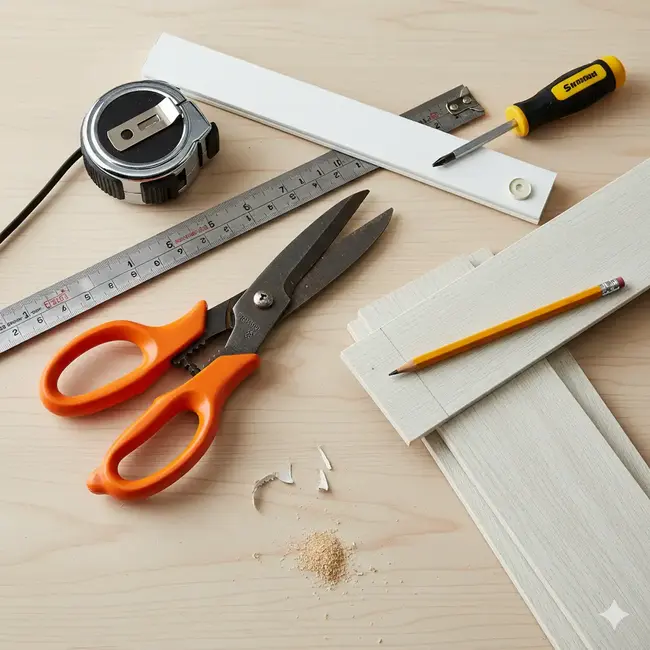
- Fabulous, decorative fabric drapery panel (if you want to construct cloth tape blinds afresh)
- Iron-on bonding tape (to decorate existing blinds)
- A bottle of glue (to make the tape more adhesive and stickier)
- An iron and ironing board
- Fabric scissors
- Fabric measuring tape (preferably made of steel for precise measurements)
- Fabric marking pen
- A step ladder (for taking measurements and installing blinds on hard to reach windows)
6 Steps to Add Cloth Tapes to Slatted Blinds
- Step 1: Unmount the blinds and lay them on a flat surface.
- Step 2: Count the slats and measure each one both length and width-wise.
- Step 3: Calculate total cloth tape length and iron, making sure it becomes totally wrinkleless.
- Step 4: Apply a thin layer of waterproof glue or any other textile adhesive to only one side of the tape.
- Step 5: Wrap the sticky side of the tape on the slats, making sure no part of the slats remains uncovered.
- Step 6: Rehang the blinds and check if they add the required visual element to the decor. If not, try a different color and repeat the whole procedure.
7 Steps to Create a New Cloth Tape Window Covering
Below are the easy steps for a beginner level project to create pure cloth tape window coverings:
Step 1: The very first thing you need to do is measure your windows using a steel tape, which will ensure high precision and accuracy.
Step 2: Cut the fabric according to the measurements, making sure you add an extra one and a half inch of fabric on 3 (left, right, bottom) sides. This extra fabric will be folded & refolded to prevent edges from fraying and tapes from coming off as the fabric slides up and down while rubbing against the window frame. Add extra 3 inches of fabric on the top side to create a rod pocket for the curtain rod to slip through.
Step 3: Fold the fabric over half an inch and press until nicely folded down. Again fold the fabric edge over an inch, with the earlier smaller fold inserted between the larger one and the main fabric panel.
Step 4: Insert two-sided adhesive tape between the fold.
Step 5: Iron the folded fabric to remove wrinkles and ensure firm bondage of the adhesive tape. Repeat the same procedure along all sides.
Step 6: To create a rod pocket on the top side, fold the fabric over by ½” and again fold over by one and half an inch. Join the smaller ½” fold to the main fabric panel by inserting a same-sized, i.e., ½” wide iron-on bonding tape with each side adhesive. Iron the folded part.
Step 7: Slip a curtain rod through the rod pocket of your newly created cloth tape window covering, hang it on the window, and enjoy functionality like that of a professionally constructed window covering.
Essential Safety Tip
Make sure the raising/lowering or opening/closing system is based on a child-safe cordless option. New US Federal regulations prohibit the sale or use of the most corded custom window coverings to severe strangulation risks to the children.
Pros & Cons of Cloth Tape Window Coverings
Pros
- Give a totally new look to your old window coverings
- Prevent the warping and cracking of the slats
- Choose your favorite colors for fabric tape to add a custom design element to your window coverings
- No-sew construction – one of the quickest window treatment options
- Total DIY construction – no expert help required
- Simple step by step method – no complex tools or procedures required
- Customizable light control and privacy – select sheer, light filtering, or blackout fabrics based on your functional needs
- Tapes available in 1” to 3” widths
- Cover tiny holes in the slats or fabric vanes to ensure complete light and view blockage
- Enhance the durability of your blinds by wrapping fabric tapes on the slats
- Completely layer the fabric panel with a tape to enhance energy efficiency of your home or office
- Patterned fabric tapes can add depth and make your window coverings a focal point of your room
Cons
- Fabric tapes may come off the fabric when pulling the shade down, if they are not sticker enough
- Susceptible to vapor damage
- Fabric tapes are less durable than wood, faux wood, or metal slats on which they are wrapped
- May make your window look narrower
- Tapes can fade faster than the slats when exposed to direct sun for 10 to 12 hours a day
- Porous fabric tapes attract dirt and dust, making them difficult to clean
- Tough stains will require replacing the tape with a new one
- Damaged tapes are difficult to replace
5 Unique Window Treatment Ideas with Cloth Tapes
1. Cellular Shades with Cloth Tapes – Enhance Insulation & Easy of Cleaning
Pros
- Unique honeycomb-shaped fabric cell construction that expands and contracts on raising and lowering the shade
- Cloth tapes will cover dust- and pollen-trapping compartments, adding to the convenience of their cleaning
- Total fabric tape wrapping will nearly double the insulation potential of the cellular blinds
Cons
- Tape will blur or totally hide the honeycomb aesthetic
- Will add to the thickness of the fabric, making it difficult to hang inside the window recess
- Add to overall weight of the window covering, requiring more force to lift the fabric up
2. Roman Shades with Zig-zag Cloth Tape Patterns – Modernize Your Classic Window Coverings
Pros
- Make classic Roman shades more attractive and inviting
- Heighten visual elements by creating color contrasts, for example, those of blue, red, yellow, and green.
- Create sharp patterns with blue tape crossing a yellow one at 90-degree
Cons
- If the fabric of the tape is of poor quality, it will fade and wear out faster than the main fabric panel
- If tapes are apart even if by a few millimeters apart, they will create thin shelves equal to the thick of the material, which will collect dirt and other pollutants
- Roman blinds are already pricier than roller blinds and sheer shades, taping them will further add to their cost
Design Tip
Joanna Gaines, a renowned American interior decorator and founder of the lifestyle brand Magnolia with 13.4M following on Instagram, has been spotted on her TV shows using gray patterned Roman shades to create a continuous, cohesive look. For a layered designer look & better room darkening and privacy management, she pairs them with beige or ivory curtains.
3. Wood Blinds with Cloth Tape – Increased Life & Lightblocking Capability
Pros
- Effectively cover all the tiny holes in the slats for complete blackout when closed.
- Removable and replaceable cloth tape will act as a protective covering against sun damage to the wood.
- Reduce light-spill from the lift cord and ladder cord holes.
- Add a custom look to your wooden window coverings, while retaining their sturdiness and organic warmth.
Cons
- Fabric tape will absorb moisture in humid environments, causing water damage to wood slats underneath
- Tapes with frayed edges will create small gaps between the slats
- Will make already bulky wood blinds even bulkier
4. Faux Wood Blinds with Cloth Tapes – Better Style & Functionality
Pros
- Enhance style, insulation & blackout effect
- Fabric tapes are an inexpensive way to embellish faux wood blinds
- Hide route holes & get extra privacy
Cons
- Fabric tapes will make otherwise easier-to-clean blinds difficult to maintain
- Tapes may make the slats look narrower and bulkier
- While faux wood blinds are moisture-resistant, fabric layering will be prone to water damage.
Solution to Water Damage
Paint the taped faux wood blinds with weatherproof emulsion to prevent vapor damage to your window coverings.
5. Venetian Blinds with Fabric Tape – Conceal Internal Cords and Add a Layering Texture
Pros
- Give your Venetian blinds a more polished finish
- Tapes will support the horizontal slats and keep them orderly
- A perfect option to hide stains and accumulated dirt on the slats
- More control over light and privacy
Cons
- Damaged or faded slats will be time-consuming to replace
- May make your room look overly simple
Where to Use Blinds with Decorative Cloth Tapes
- Living room windows – Paste black tapes on white blinds to create a popular and classic contrasting look in your. It will give your family and guests a visual feast while relaxing on luxury sofas.
- Dining room – Create a layered, embossed look in your eating space plus get maximum control over natural lighting in your dining area with cloth-taped window coverings.
- Guest bedroom – Double the light blocking capability of your bedroom window coverings by applying cloth tapes to room darkening fabrics.
- Patio – High-mounted curtains with colorful tapes not only enhance the visual interest of your patio window or door but also create an illusion of spaciousness, making your space feel more open and inviting.
- Farmhouse windows – Woven wood blinds and shutters decorated with fabric tapes will add warmth and dimensions to your famous windows. As farmhouses are more exposed to extreme weather, these insulating blinds will reduce solar heat gain by up to 60% in the cooling season and reduce heat loss by more than 40% in winter, according to the US Department of Energy.
- Cooking Space – Create a balance of light and privacy in your kitchen.
Frequently Asked Questions
What is cloth tape on blinds?
A cloth tape is an adhesive or non-adhesive strip of fabric that runs down each side of the blind, layering the entire blind and forming part of the ladder strings that hold the slats. Many people love to add cloth tapes to their blinds to beautify their window coverings & cover the little holes in the slats that the ladder cords run through.
What is the trend in window coverings in 2025?
Neutral tones with better light reflecting properties dominate exteriors in 2025 to keep the sun’s harshness at bay. On the other hand, bold colors and patterns are highly recommended to make your space stand out. If you want to beautify your space and create a calming comfortable atmosphere, consider honeycomb shades in tranquil blue, earthy brown, or deep green.
What does Martha Stewart use instead of curtains?
Martha Stewart, an authority on home making and DIY crafting in the US, has been spotted as utilizing interior blinds instead of curtains for light regulation & privacy. She also prefers operable versions of exterior shutters, as they can be used for light control, UV protection, and ventilation in congested spaces.
What is the latest trend in window coverings?
- Real woven wood bamboo shades – Add organic warmth to your nature-thirsty interior.
- Layered window coverings – Pair sheer shades with drapes to enhance visual interest and functionality.
- Minimalist Roman shades – Sleeker flat fold slats are preferred over their hobbled and relaxed counterparts.
- Roller shades – One of the biggest window covering trends in 2025, roller blinds offer a simple, sustainable, and budget-friendly option.
- Wood shutters – Superior insulation, security, and durability, & practically maintenance-free (much easier to keep clean than conventional curtains).
Need More Help?
We are ready to assist with creative and practical cloth tape window treatment ideas. We invite you to our 24/7 live chat. Or contact us at (800) 863-6109, or customerservice@affordableblinds.com.
Leave a Reply